Briefly introduce the polishing treatment of vertical polishing storage tanks
Information summary:The polishing treatment core of vertical polishing storage tanks is aimed at the "inner wall in contact with the medium" (some outer walls are polished as needed), reducing surface roughness and optimizing surface conditions through mechanical or chemical processes to achieve the core requirements of high cleanliness, easy cleaning, and corrosion prevention. It is a key process to ensure that the
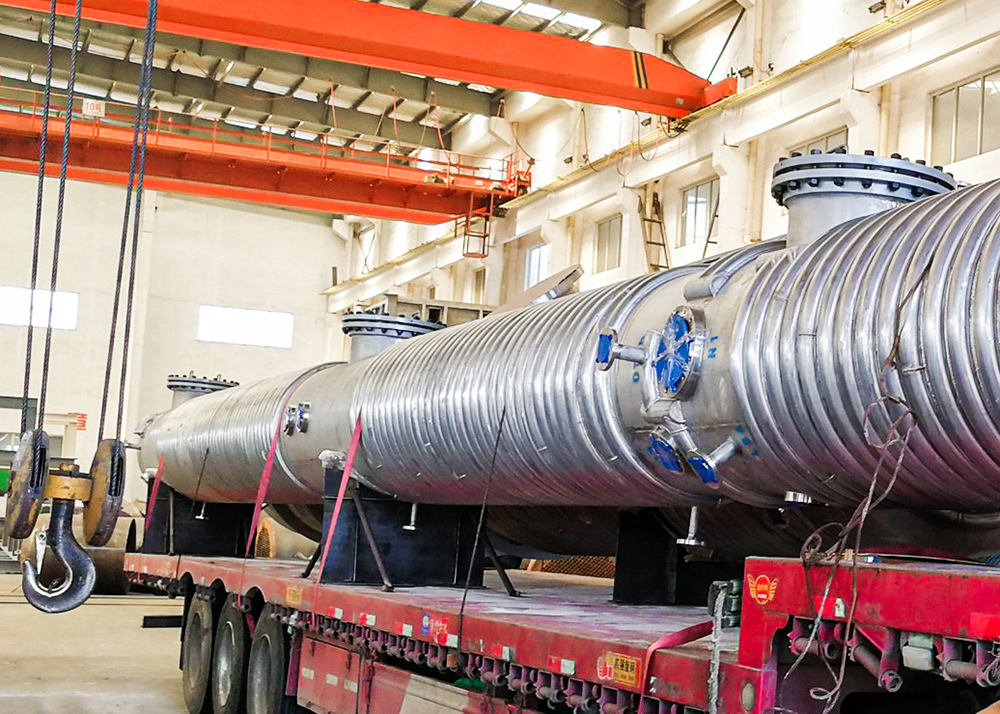
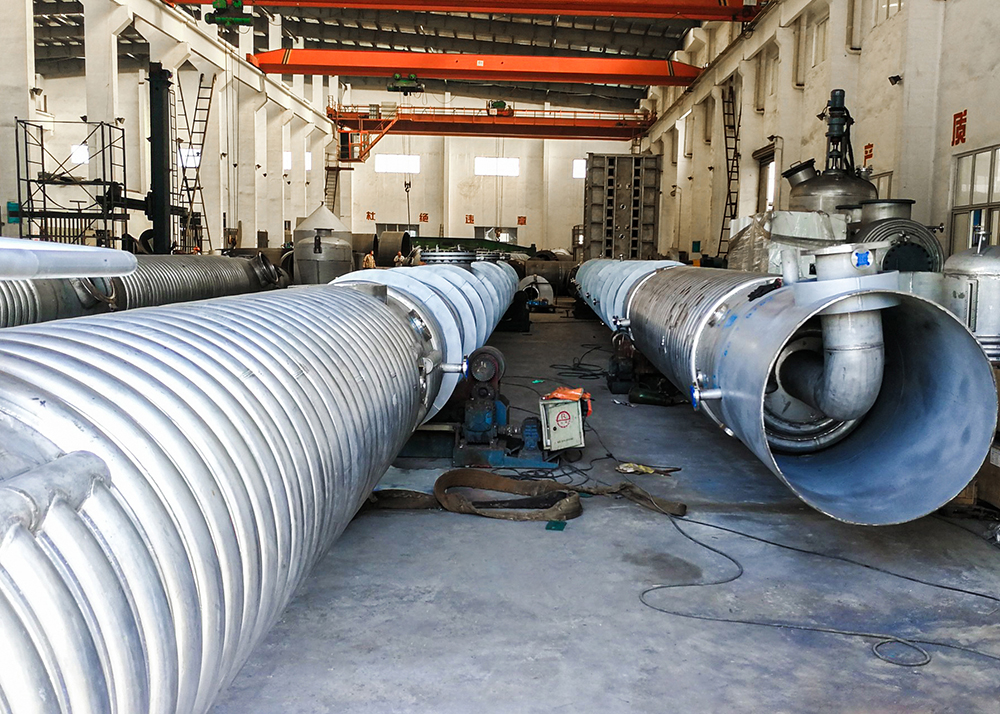
The polishing treatment core of vertical polishing storage tanks is aimed at the "inner wall in contact with the medium" (some outer walls are polished as needed), reducing surface roughness and optimizing surface conditions through mechanical or chemical processes to achieve the core requirements of high cleanliness, easy cleaning, and corrosion prevention. It is a key process to ensure that the storage tank is suitable for fields such as food, medicine, and chemical engineering. Specifically, it can be briefly introduced from four aspects: "polishing object, core process, precision level, and functional value":
1. Core polishing object: prioritize ensuring the "inner wall in contact with the medium"
The focus of polishing is on the inner wall of the storage tank (including the tank body, head, and weld seam) - these parts come into direct contact with the storage medium (such as food raw materials, pharmaceutical liquids), and it is necessary to avoid medium residue and microbial growth caused by rough surface; In some scenarios (such as clean rooms and display areas), basic polishing will be applied to the outer wall to improve its appearance cleanliness and stain resistance, but the accuracy requirement is lower than that of the inner wall.
2. Mainstream polishing process: mechanical polishing is the main process, with chemical polishing as an auxiliary
According to the material (mostly stainless steel) and precision requirements of the storage tank, two commonly used processes are:
Mechanical polishing: The core process involves using tools such as grinding wheels, cloth wheels, and polishing belts to physically polish the surface with polishing solution (such as stainless steel polishing paste), gradually reducing roughness - first rough polishing (to remove welding protrusions and scratches), and then fine polishing (to improve smoothness), suitable for scenes that require high cleanliness and high gloss (such as the inner walls of pharmaceutical storage tanks);
Chemical polishing: an auxiliary process that immerses a storage tank in acidic polishing solution (such as a mixture of phosphoric acid and sulfuric acid), dissolves the surface roughness layer through chemical corrosion, and forms a flat surface. It is suitable for areas with complex inner wall structures (such as multiple corners and small diameters) that are difficult to reach by mechanical polishing, and is often used in combination with mechanical polishing.
3. Key accuracy level: divided by surface roughness (Ra)
Polishing accuracy is based on the core indicator of "surface roughness Ra value", which needs to be matched with different industry cleanliness standards. Common grades:
Ordinary clean level (Ra 0.8-1.6 μ m): suitable for daily chemical and general chemical fields (such as storing laundry detergent and lubricating oil), with no obvious scratches on the surface, basically meeting the needs of easy cleaning;
High cleanliness grade (Ra 0.2-0.4 μ m): mainstream grade, suitable for the food and pharmaceutical fields (such as storing fruit juice and liquid medicine), with a smooth surface and no dead corners, in compliance with food contact (GB 4806) and pharmaceutical GMP standards;
Higher cleanliness level (Ra<0.2 μ m): Special requirement level, suitable for biopharmaceutical and electronic media storage (such as vaccine intermediates, high-purity solvents), with a surface close to mirror, and can be sterilized through online cleaning (CIP).
4. The core function of polishing treatment: to ensure storage safety and efficiency
Anti medium residue and pollution: Smooth surfaces reduce medium adhesion (such as syrup and viscous drugs that are not easy to stick to the wall), avoiding residual deterioration and cross contamination;
Strengthen corrosion prevention: Polish to remove surface oxide layer and micro gaps, forming a denser passivation film (especially for stainless steel materials) to resist corrosion from acidic and alkaline media (such as weakly acidic fruit juice and chemical solvents);
Improving cleaning efficiency: The surface without rough patterns can be quickly cleaned through high-pressure spraying and CIP system, reducing cleaning time by 40% -60% compared to unpolished storage tanks and lowering maintenance costs.







 Service Hotline

 Hotline:0512-52093708
 E-mail:yutezjl@163.com
 Address:No. 101, Taojia Bridge, Dahe Village, Shanghu Town, Changshu City, Suzhou City, Jiangsu Province

 Add wechat
 Contact us
 Telephone